Private label clothing allows a retailer or fashion brand to offer garments under its own brand identity. The product direction, fit, fabric, colours and finishing are defined around the needs of that business rather than simply choosing a finished item off the shelf.
What should a brand prepare?
A clear product brief: Identify the garment type, customer, season, intended price position and the details that make the product distinctive. Reference photos are helpful, but measurements and construction notes make the brief more precise.
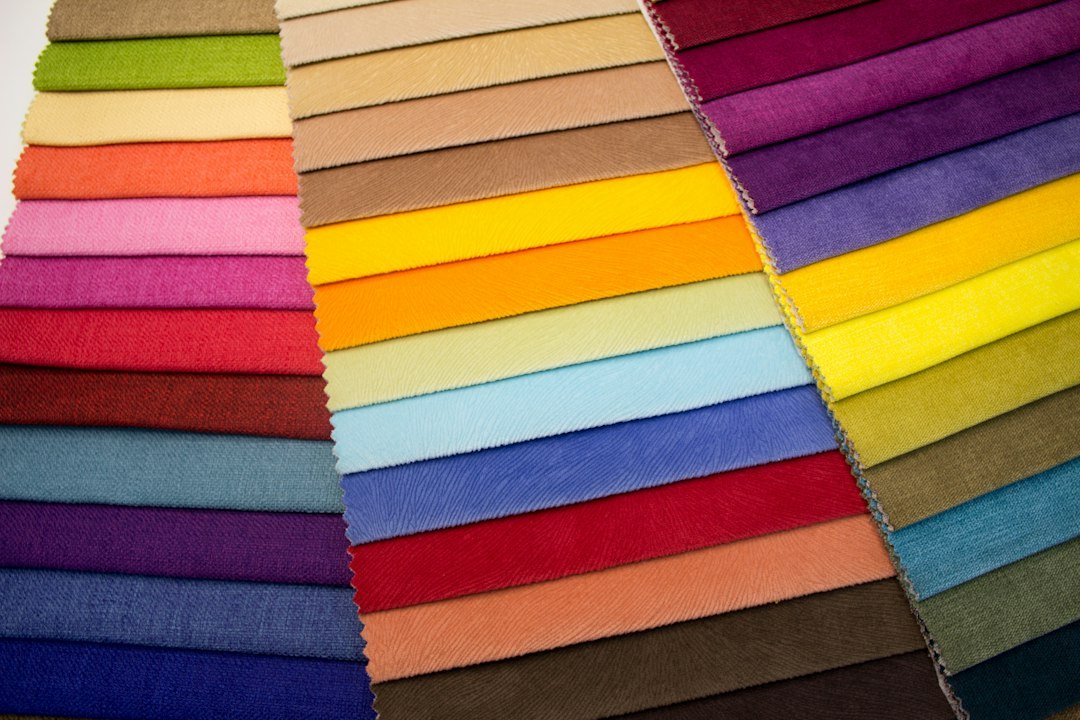
Fabric and trim preferences: Note the preferred fibre, weight, texture, colour and care requirements. Include details such as buttons, zips, labels and stitching where they matter to the design.
Measurements and fit: Share a size chart and explain the fit you want—regular, relaxed or fitted. A sample review can reveal adjustments before production moves forward.
Branding and presentation: Prepare artwork and instructions for labels, tags and packaging if these are part of the project. Confirm spelling, placement and size before approval.
Questions to ask before production
How will fabric and colour be approved?
What sample or fitting review is needed?
Which measurements and tolerances should be checked?
How will quality and finishing be reviewed?
What quantities and timelines are realistic for this brief?
Why communication matters
Unclear specifications can lead to mismatched expectations, rework or delays. Keep the approved sample, size chart and written details together, and document any changes before they are applied.
Private label planning with Ansari Clothing
Ansari Clothing works across clothing, wool, knitwear and garment production themes. If you are exploring a private label collection, prepare your product references, fabric preferences, size range and target quantities. These details make it easier to discuss whether the project requirements are a good fit.
It is a long established fact that a reader will be distracted by the readable content of page when looking at its layout. The point of using is that it has a more-or-less normal distribution of letters, as opposed to using ‘Content here, content here’, makings look like readablei English.
@Ruta Vaghasiya The standard chunk of Lorem Ipsum used since the 1500s is reproduced the below for those interested. Sections 1.10.32 and 1.10.33 from “de Finibus Bonorum”.
It has survived not only five centuries, but also the leap into electronic typesetting, remaining more essentially unchanged. It was popularised in the 1960s with the release of Letraset sheets containing Lorem Ipsum passages, and more recently with desktop publishing.






3 comments
Ruta Vaghasiya
It is a long established fact that a reader will be distracted by the readable content of page when looking at its layout. The point of using is that it has a more-or-less normal distribution of letters, as opposed to using ‘Content here, content here’, makings look like readablei English.
rosetyler
@Ruta Vaghasiya The standard chunk of Lorem Ipsum used since the 1500s is reproduced the below for those interested. Sections 1.10.32 and 1.10.33 from “de Finibus Bonorum”.
Ruta Vaghasiya
It has survived not only five centuries, but also the leap into electronic typesetting, remaining more essentially unchanged. It was popularised in the 1960s with the release of Letraset sheets containing Lorem Ipsum passages, and more recently with desktop publishing.