Turning a clothing idea into a finished product takes more than stitching fabric together. A well-organised garment manufacturing process connects the design brief, material selection, measurements, production and final checks so the result matches the intended product.
1. Define the product
Start with the garment type, target customer, intended use, reference images, size range and expected finish. Clear specifications reduce avoidable changes later. If a brand has a tech pack, measurements and construction notes should be shared before sampling.
2. Select fabric and trims
Fabric affects drape, comfort, durability, appearance and care. Buttons, zips, labels, thread and other trims should suit both the design and the fabric. Confirm colours and material details before production begins.
3. Create patterns and cut fabric
Patterns translate measurements into garment pieces. Accurate pattern work and careful cutting help keep sizing consistent and reduce material waste. Fabric should be checked and prepared according to its characteristics.
4. Stitch, finish and inspect
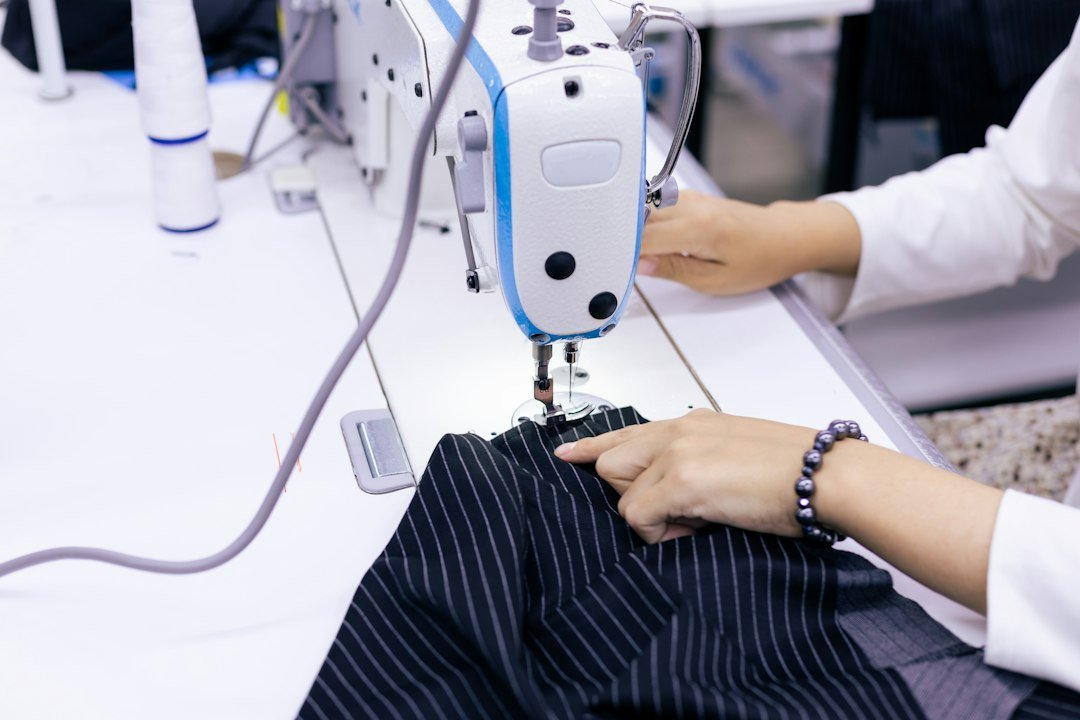
Panels are assembled through the planned sewing sequence. Finishing may include pressing, trimming loose threads, attaching labels and checking the overall appearance. Quality checks should review measurements, seams, closures, fabric defects and general consistency.
5. Pack according to the brief
Before packing, confirm garment presentation, size identification and any agreed packing instructions. Keep approved samples and specifications available so the finished pieces can be compared against the original brief.
Work with a clear production brief
At Ansari Clothing, careful communication around fabric, fit, stitching and finishing helps keep garment requirements clear. Before starting a project, prepare the design, size chart, quantity expectations and delivery requirements so the next steps can be discussed accurately.
It is a long established fact that a reader will be distracted by the readable content of a page when looking at its layout. The point of using Lorem Ipsum is that it has a more-or-less normal distribution, as opposed to using ‘Content here, content here’.
There are many variations of passages of Lorem Ipsum available, but the majority have suffered alteration in some form, by injected humour, or randomised words which don’t look even slightly believable.
The standard chunk of Lorem Ipsum used since the 1500s is reproduced below for those interested. Sections 1.10.32 and 1.10.33 from “de Finibus Bonorum et Malorum” by Cicero are also reproduced in their exact.
Many desktop publishing packages and web page editors now use Lorem Ipsum as their default model text, and a search for will uncover many web sites still in their infancy. Various versions have evolved over the years, sometimes by accident.






4 comments
Ruta Vaghasiya
It is a long established fact that a reader will be distracted by the readable content of a page when looking at its layout. The point of using Lorem Ipsum is that it has a more-or-less normal distribution, as opposed to using ‘Content here, content here’.
rosetyler
There are many variations of passages of Lorem Ipsum available, but the majority have suffered alteration in some form, by injected humour, or randomised words which don’t look even slightly believable.
rosetyler
The standard chunk of Lorem Ipsum used since the 1500s is reproduced below for those interested. Sections 1.10.32 and 1.10.33 from “de Finibus Bonorum et Malorum” by Cicero are also reproduced in their exact.
Ruta Vaghasiya
Many desktop publishing packages and web page editors now use Lorem Ipsum as their default model text, and a search for will uncover many web sites still in their infancy. Various versions have evolved over the years, sometimes by accident.